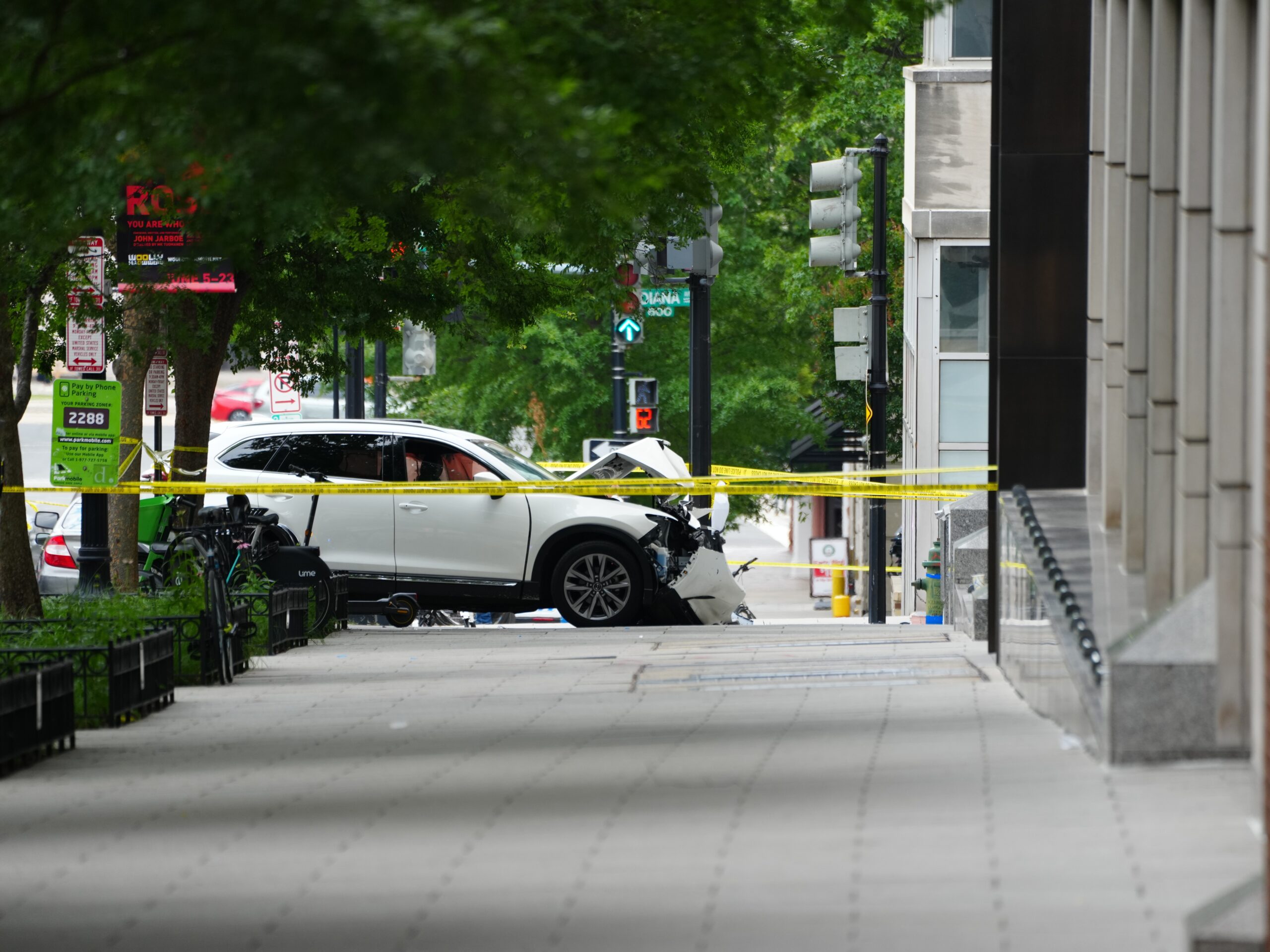
A car accident can leave anyone feeling overwhelmed, confused, and unsure about what to do next. In Washington, DC, the moments after a crash can have a major impact on both personal safety and any future injury claim. Whether the collision happens on I-395, the Capital Beltway, or a neighborhood street in the District, taking the right steps immediately after the accident can help protect health, finances, and legal rights.
Many people make simple mistakes after a crash without realizing the consequences. Delaying medical treatment, failing to document the scene, or speaking too freely with insurance companies can all hurt a claim later. Understanding what actions to take right away can make the recovery process smoother and improve the chances of obtaining fair compensation.
The following article explains the most important steps to take after a car accident in Washington, DC, and throughout the DMV area.
The first few minutes after a collision are critical. Safety should always come first.
Immediately check yourself and passengers for injuries. If anyone appears hurt, call 911 right away. Even injuries that seem minor can become more serious over time. Common crash injuries include whiplash, concussions, back injuries, broken bones, soft tissue damage, and internal bleeding, many of which may not be immediately apparent at the scene.
Once you have assessed the situation and called for help if needed, the next priority is getting out of harm's way.
If the vehicles are creating a hazard and can safely be moved, relocate them to the shoulder or another safe area nearby. Turn on hazard lights to warn approaching traffic.
On busy Washington, DC, roads and highways, staying in traffic lanes after a collision can increase the risk of a second accident.
Emotions often run high after a crash, but it is important to remain calm and avoid confrontations with the other driver. Do not yell, assign blame, or discuss who caused the accident at the scene. Even simple statements such as “I’m sorry” could later be interpreted as admitting fault. Instead, remain polite, provide only factual information, cooperate with police officers, and avoid speculating about how the accident happened.
Drivers involved in the accident should exchange:
If there are witnesses nearby, try to collect their contact information as well. Independent witnesses can sometimes play a major role in proving liability later. Once you have exchanged information with the other driver, the next decision is whether to involve law enforcement, and in most cases in Washington DC, the answer is yes.
Many drivers wonder whether they actually need to contact law enforcement after a crash. In Washington, D.C., calling the police is almost always the smart decision.
A police report creates an official record of the accident that can become important evidence during an insurance claim or personal injury case. The report may include statements from drivers and witnesses, road and weather conditions, vehicle positions, officer observations, and preliminary fault determinations. Insurance companies often rely heavily on police reports during their investigations because they provide an objective account of what happened at the scene. Without an official report, proving the details of the accident and establishing liability can become much more difficult. There are certain situations where contacting the police is not just advisable but essential.
While calling the police is always a reasonable choice, there are situations where it is not optional. Drivers should contact the police immediately if any of the following apply:
Even in minor accidents, requesting police assistance can help avoid disputes later.
Before leaving the scene, ask the responding officer for:
This information can become important when filing an insurance claim or working with a car accident lawyer in DC.
Strong evidence can make a major difference in a personal injury case. The more documentation collected at the scene, the easier it may be to prove liability and damages later.
Use a smartphone to document as much as possible. Be sure to capture clear photos of all vehicle damage, license plates, and any visible injuries. It is also important to photograph the surrounding area, including skid marks, debris, traffic signs, and overall road and weather conditions. Taking wide shots of the entire accident scene can provide crucial context for investigators later. Video footage can also help capture details that photos may miss.
Photos and videos capture the scene, but written notes capture what the camera cannot, including what was said, the sequence of events, and the conditions you observed. Memory fades quickly after stressful events. As soon as possible, write down the time of the crash, the exact location, the direction each vehicle was traveling, traffic conditions at the time, and any statements made by drivers or witnesses. Keeping detailed notes can help refresh memory later if questions arise.
Medical documentation is one of the most important forms of evidence in a car accident case.
Keep copies of:
A clear medical timeline helps establish the connection between the accident and the injuries. While building your medical documentation, it is equally important to be mindful of what you share publicly, particularly on social media.
Insurance companies frequently review social media accounts during investigations.
After a crash:
Even innocent posts can sometimes be taken out of context and used against injury victims.
One of the biggest mistakes accident victims make is delaying medical treatment. Waiting too long to see a doctor can harm both health and a legal claim.
Certain injuries develop gradually after a crash, and many accident victims feel fine in the immediate aftermath only to wake up the next morning in significant pain. This is not unusual. The body's adrenaline response during a traumatic event can temporarily suppress pain signals, masking injuries that are already present. Common delayed symptoms include neck pain, headaches, dizziness, numbness, back pain, and memory issues. Concussions, soft tissue injuries, and spinal injuries may not fully appear until hours or days later.
Insurance companies often look for gaps in treatment. If someone waits too long to seek care, insurers may argue:
Prompt treatment creates documentation that directly connects injuries to the accident.
After the initial evaluation, continue following all medical advice carefully. This may mean attending follow-up appointments, completing a course of physical therapy, undergoing specialist evaluations or imaging tests, and following medication instructions as prescribed. It can be tempting to skip appointments once you start feeling better, but stopping treatment early can create gaps in your medical record that insurance companies will use to argue your injuries were not as serious as claimed.
Even valid injury claims can become more difficult when mistakes are made after a crash. Understanding these common errors can help accident victims avoid unnecessary problems.
Never admit fault at the scene or during conversations with insurance adjusters.
Fault is not always obvious immediately after an accident. Multiple factors may contribute to a crash, including:
Let investigators and attorneys determine liability based on evidence. Closely related to the issue of admitting fault is the risk of giving a recorded statement before you fully understand what happened or the extent of your injuries.
Insurance adjusters may quickly request recorded statements after an accident. While they may sound friendly, their goal is often to minimize payouts.
Accident victims should be cautious about:
Speaking with a car accident attorney in DC before providing detailed statements can help protect legal rights.
Early settlement offers are often far lower than the true value of a claim.
Initial offers may not account for:
Once a settlement is accepted, additional compensation is usually unavailable. Even if you resist a quick settlement, the strength of your eventual claim depends heavily on how well you have documented every financial loss along the way.
Many accident victims focus on their physical recovery and overlook the financial documentation that will ultimately determine the value of their claim. The true cost of a car accident extends well beyond the emergency room bill. Lost wages from missed work, mileage driven to and from medical appointments, out-of-pocket prescription costs, and vehicle repair expenses all add up quickly and are all recoverable with proper documentation. Keep organized records of all accident-related costs, including medical bills, prescription costs, mileage to appointments, vehicle repair estimates, and lost income documentation. Detailed financial records help demonstrate the full economic impact of the accident and give your attorney the clearest possible picture of your damages.
Washington DC follows strict contributory negligence rules. DC's contributory negligence rule means that even a small finding of fault on your part could eliminate your ability to recover compensation entirely. An attorney can help gather evidence, communicate with insurance companies on your behalf, and build the strongest possible case before that evidence disappears or deadlines pass. Beyond the legal deadlines, critical evidence such as surveillance footage, black box data, and witness memories can disappear quickly in the weeks after a crash.
Navigating all of these steps while recovering from an injury is a significant burden, and it is one that no accident victim should have to carry alone.
After a serious car accident, dealing with injuries, medical bills, missed work, and insurance adjusters can quickly become overwhelming. While not every car accident requires legal representation, many claims become far more complicated than victims initially expect. Insurance companies often look for ways to reduce payouts, especially when injuries are severe or liability is disputed.
The Cochran Firm DC represents car accident victims throughout Washington DC, Maryland, and Virginia and has the resources to help clients pursue the compensation they deserve. Whether the crash involved serious injuries, multiple vehicles, denied insurance claims, or financial hardship from missed work and medical expenses, experienced legal guidance can make a major difference.
To speak with an experienced car accident lawyer in DC and across the DMV area, call 1-800-THE-FIRM, or request a free case evaluation online.
Frequently Asked Questions
Yes. Even low-speed car accidents can cause injuries that are not immediately obvious. Conditions such as whiplash, concussions, soft tissue injuries, and internal injuries may take hours or even days to produce noticeable symptoms. Seeking medical attention as soon as possible helps identify hidden injuries early and creates medical documentation that may become important if an injury claim is filed later. Delaying treatment may also give insurance companies an opportunity to argue that the injuries were not caused by the accident.
In Washington DC, the statute of limitations for filing a personal injury claim after a car accident is generally three years from the date of the crash. If you fail to file a lawsuit within this three-year window, you will likely lose your right to recover any compensation. While three years may seem like a long time, investigating the crash, gathering medical records, and negotiating with insurance companies takes significant time. It is always best to consult with a Washington DC car accident lawyer as soon as possible to ensure no major deadlines are missed.
If the at-fault driver does not have insurance, injured victims may still have options for recovering compensation. In some situations, uninsured motorist coverage through the victim’s own insurance policy may help cover medical expenses, lost wages, and other damages. Additional legal options may also exist depending on the facts of the accident. An experienced car accident lawyer can review all available insurance coverage and explain the best path forward after an accident with an uninsured driver.
Yes, and this is one of the most important reasons not to delay medical care. Many car accident injuries, including whiplash, concussions, and soft tissue damage, do not produce noticeable symptoms until hours or even days after the crash. If you start experiencing pain, stiffness, headaches, or dizziness in the days following an accident, see a doctor immediately and make sure to mention the accident. Connecting your symptoms to the crash in your medical records is critical to supporting any future claim.
If the other driver leaves the scene after a crash, call 911 immediately and try to provide as much information as possible about the vehicle, including the license plate number, make, model, color, and direction the driver traveled. If there were witnesses nearby, ask for their contact information and whether they saw the fleeing vehicle. Hit-and-run accidents can be stressful, but surveillance footage, witness statements, and police investigations may help identify the driver. Victims may also be able to seek compensation through uninsured motorist coverage if the driver cannot be located.